The Journey Begins
| Style: | Hosted |
| Theme: | Cultural |
Your Footprint


 Light
Light

Cebu City Pilgrimage
It sounds like a truly enchanting and spiritually enriching experience to visit Cebu and explore its sacred places of worship. The history and cultural significance of these centuries-old churches and shrines make the journey even more special.
Throughout this tour, visitors can immerse themselves in the religious history and traditions of the Philippines, gaining a deeper understanding of the country’s cultural heritage and spiritual significance. Whether you are a devout Catholic or someone seeking to learn more about the region’s faith and history, this spiritual journey promises to be a truly memorable experience.
So, if you’re looking for a unique and meaningful vacation, Cebu offers a destination that goes beyond typical tourist attractions, providing a chance to connect with spirituality and history in a profound way. Viva Cebu and the wonderful experiences it has to offer!
Is this tour for me?
| TRAVEL STYLE | Private Guided Day Tour perfect for couples, families, friends or the solo adventurer. |
| SERVICE LEVEL | This package is a premium quality PRIVATE DAY TOUR hosted by our – PHILIPPINE CULTURAL TRAVEL |
| PHYSICAL RATING | Great for people of all ages and levels of fitness. |
| DURATION | Approximately 8 Hours |
What’s Included
- Modern Van
- English speaking tour guide
- Professional driver
- Road tolls and fees
- Entrance fees to attractions
- Pick up and drop off from/to the nearest car accessible point to your accommodation.
- Bottled water
- Buffet or Ala Carte Lunch
- Afternoon snack
- A gift from Philippine Cultural Travel
Pricing Per Guest (USD)
| Travelling Style | Price |
| Solo Traveller | $178 |
| 2 Guests | $165 |
| 3-5 Guests | $149 |
| 6-9 Guests | $134 |
| 10-12 Guests | $120 |
Simala Shrine Castle Church
Miraculous Shrine
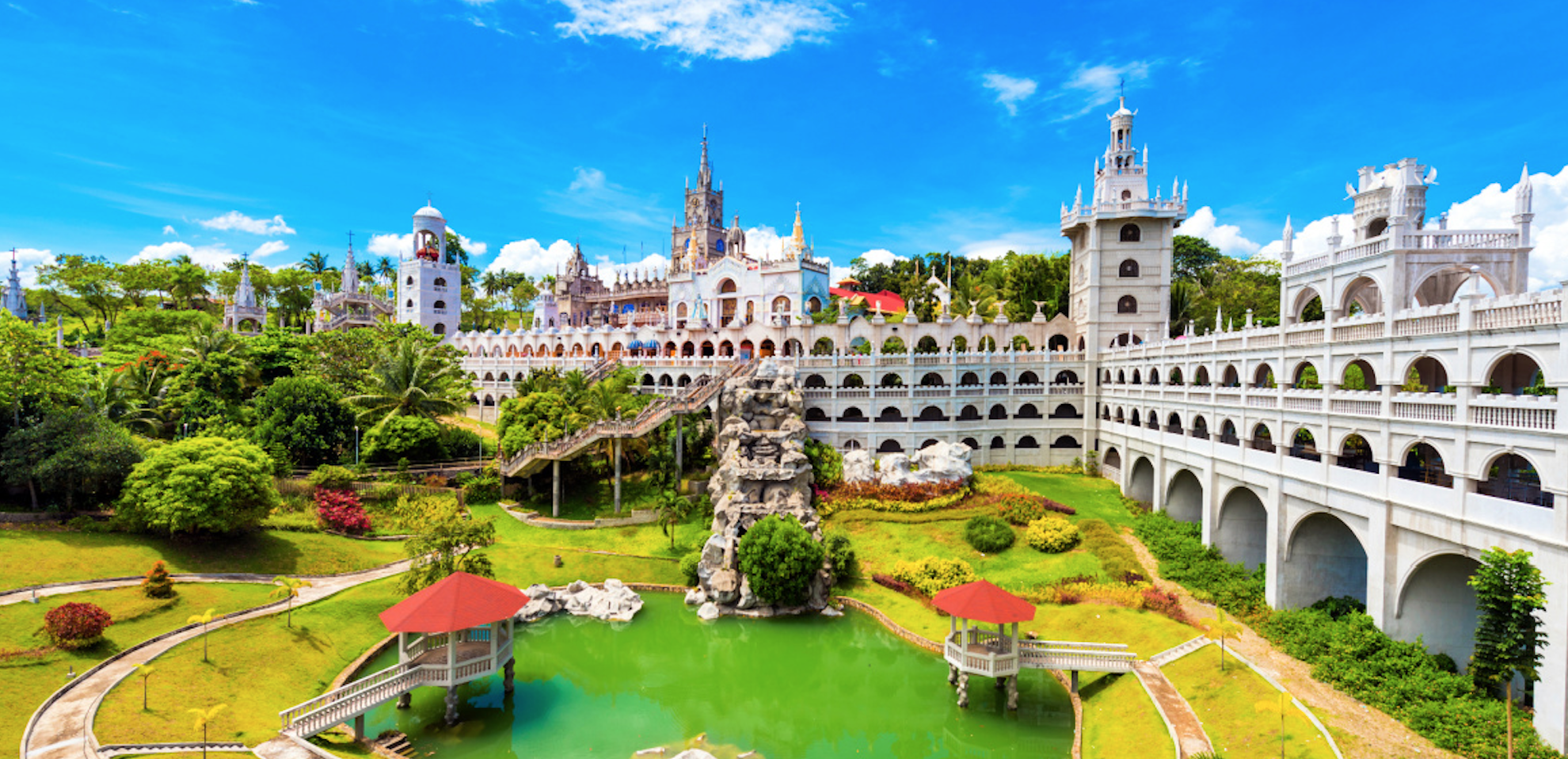
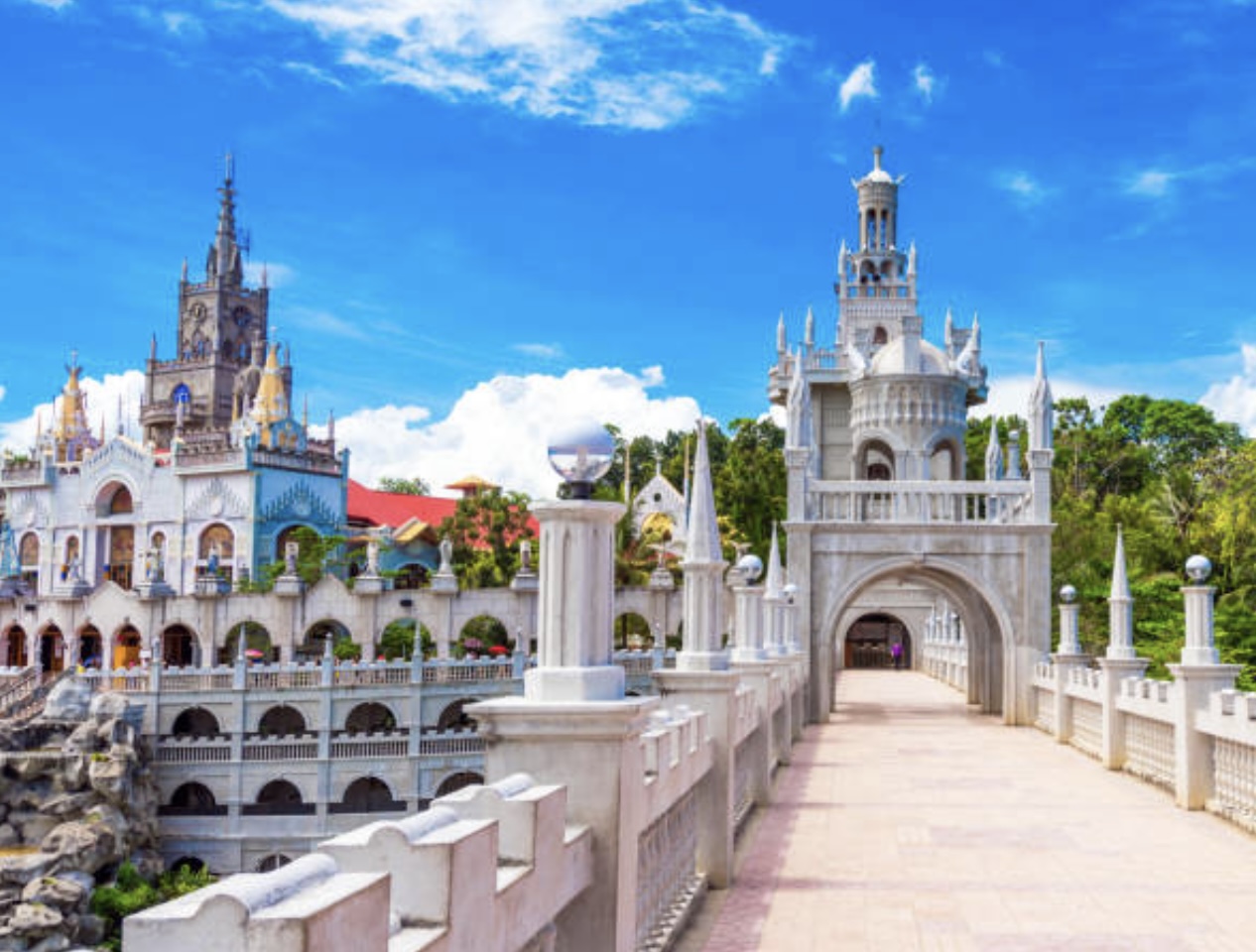
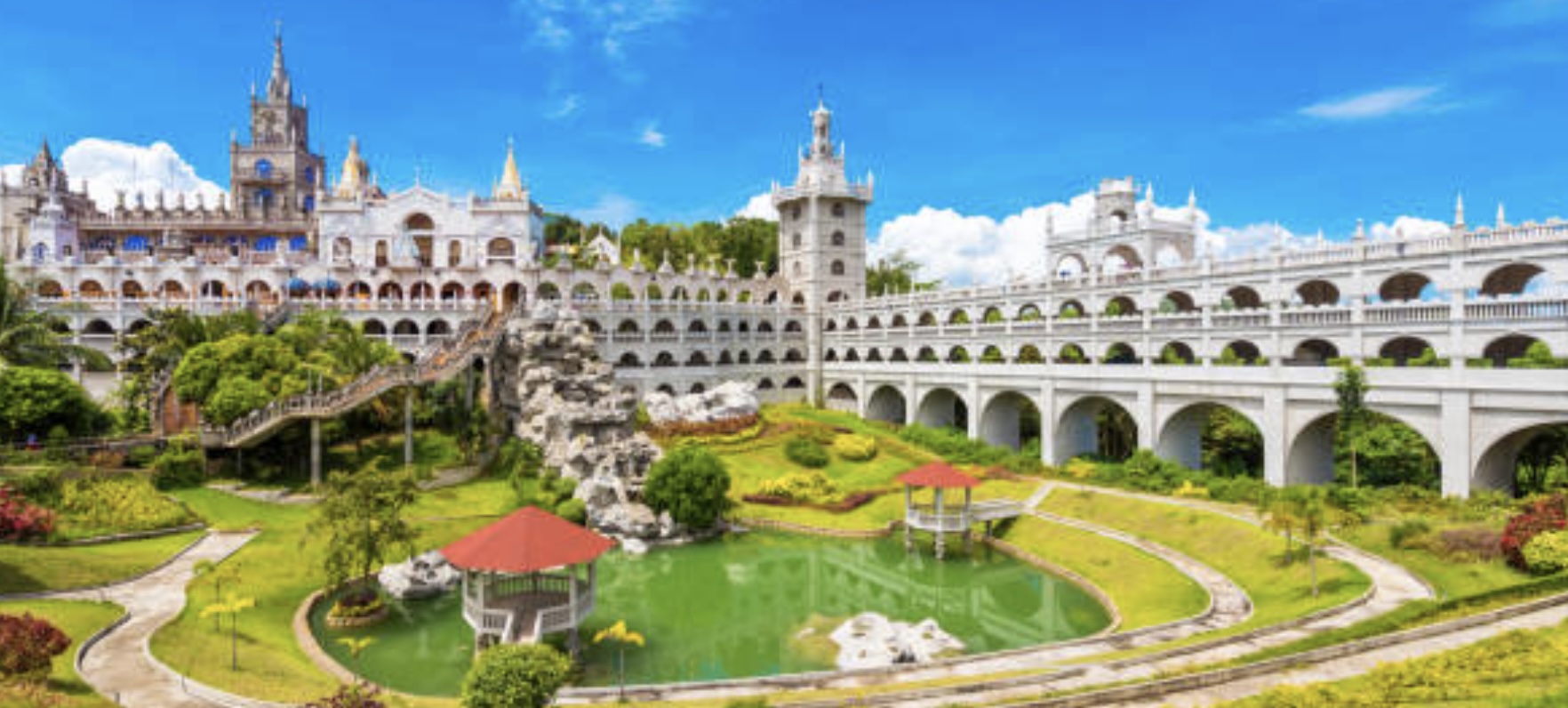
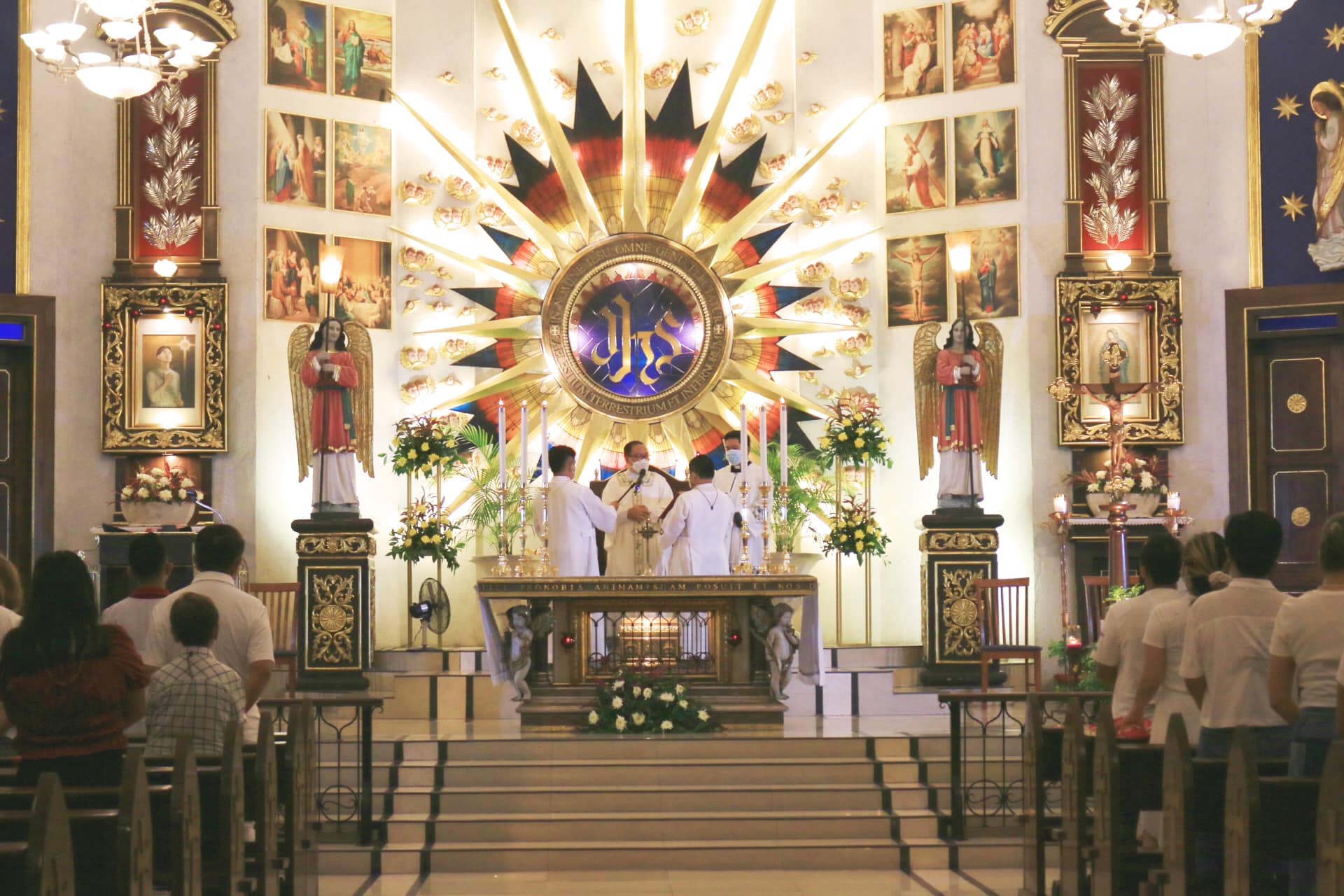
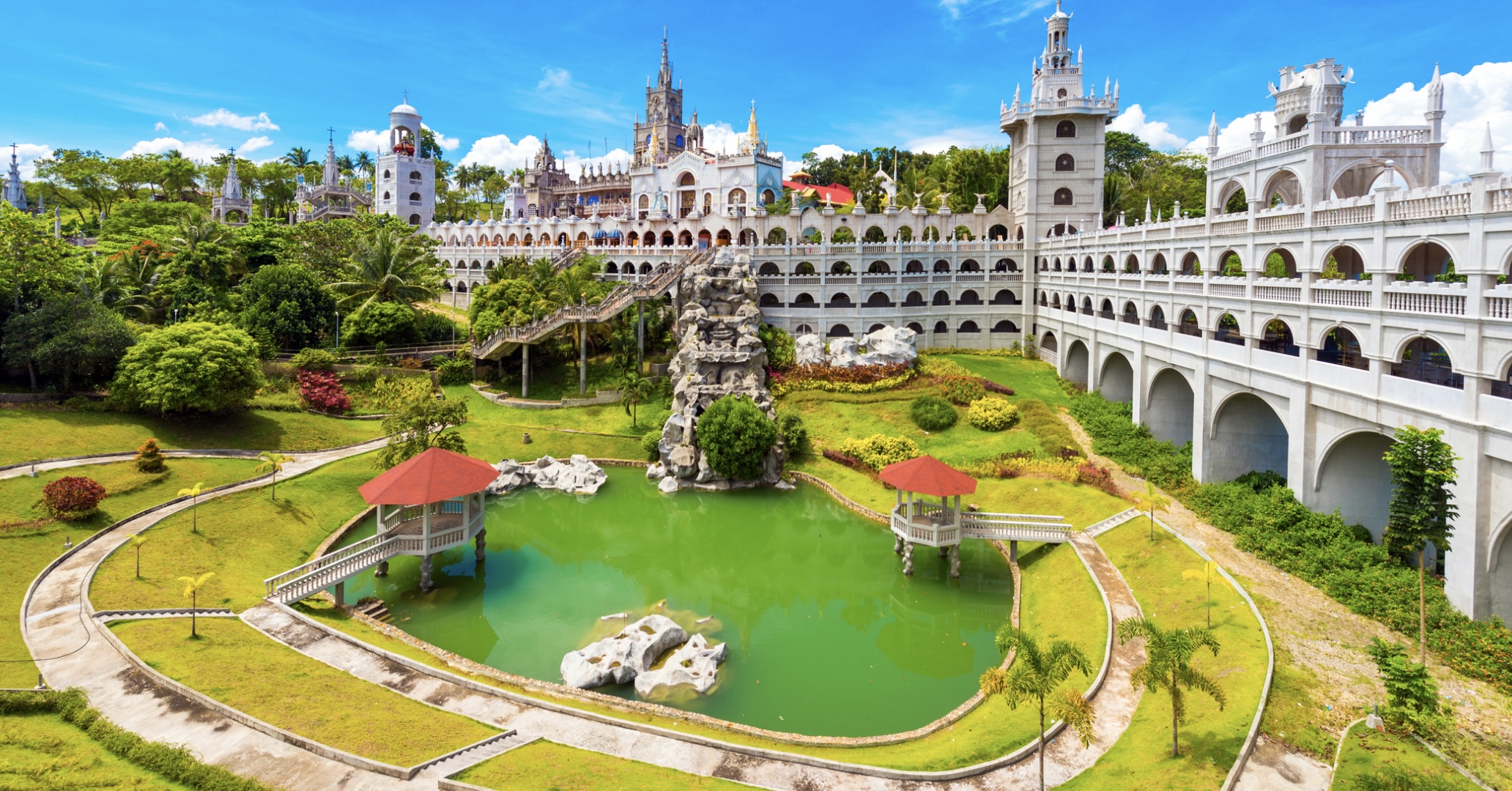
The tour’s first stop is the Simala Church, also known as the Simala Shrine or the Monastery of the Holy Eucharist. It is situated in Marian Hills, Lindogon, Simala, Sibonga, Cebu. The church was constructed in 1998 by the Marian Monks from Pampanga.
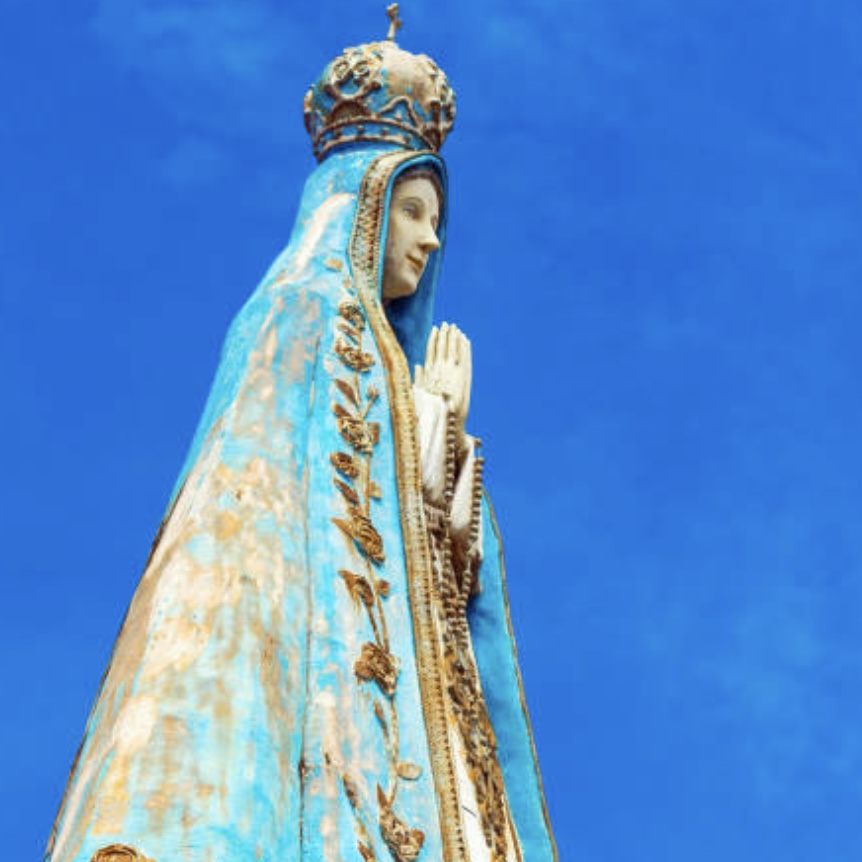
Initially, the church was just an ordinary place of worship. However, it gained immense popularity after a series of miraculous events. One of these extraordinary occurrences was the shedding of tears by the image of Mother Mary. This remarkable event captured the attention of devotees, leading to a constant influx of visitors to the shrine.
The Simala Church has since become a significant pilgrimage site, drawing both local and international devotees seeking spiritual solace and blessings. The faith-filled atmosphere and the belief in the church’s miraculous events have turned it into a cherished destination for those looking to strengthen their faith and experience divine grace.
The tour, starting at 7 AM, allows visitors to witness the captivating beauty of Simala Church and take part in the spiritual journey that it offers. The guide will pick up the visitors from their hotel or the airport, ensuring a seamless and meaningful experience as they explore this sacred place of worship.
Metropolitan Cathedral and Museum
Historical Church
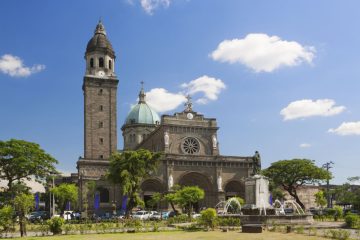
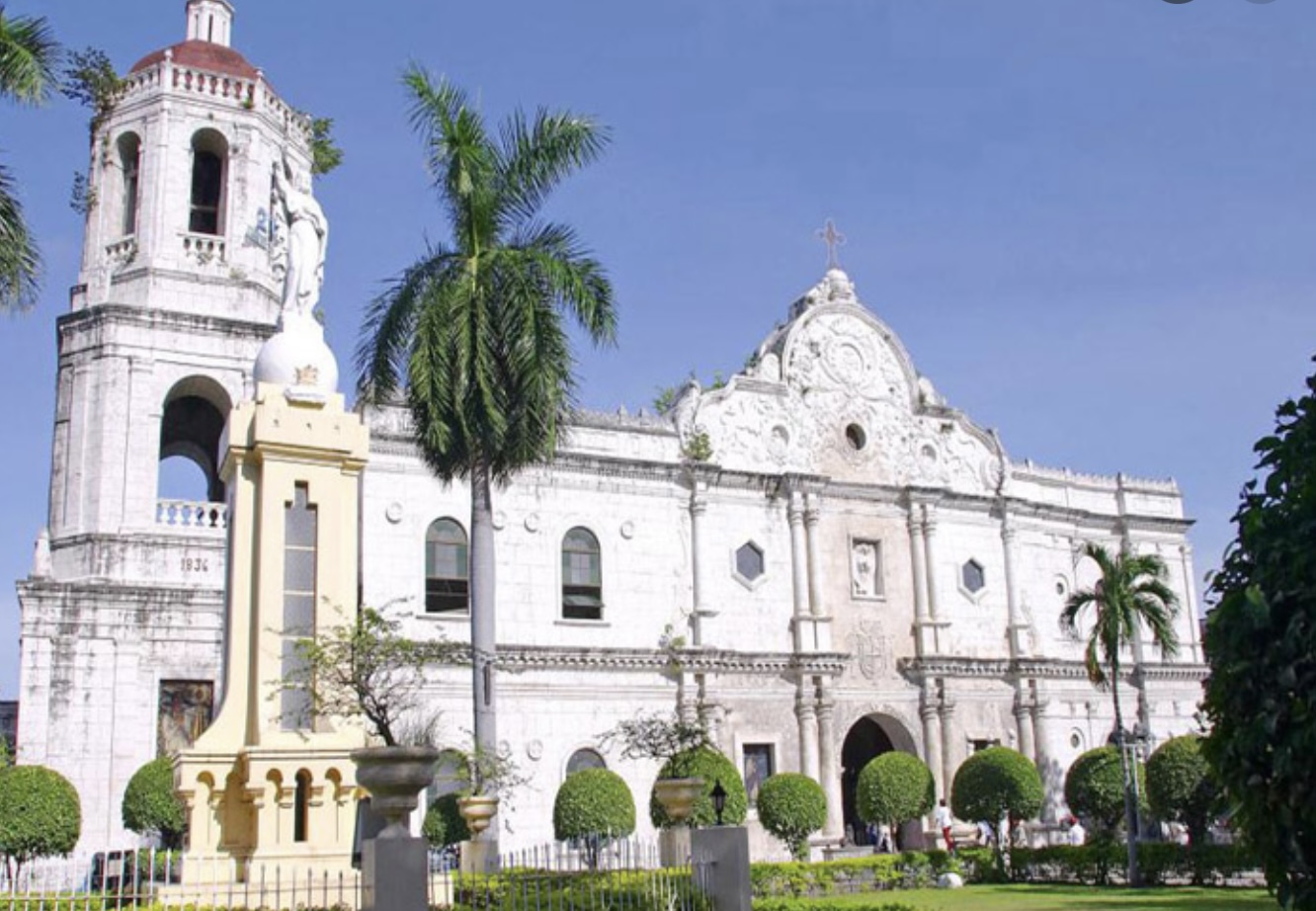
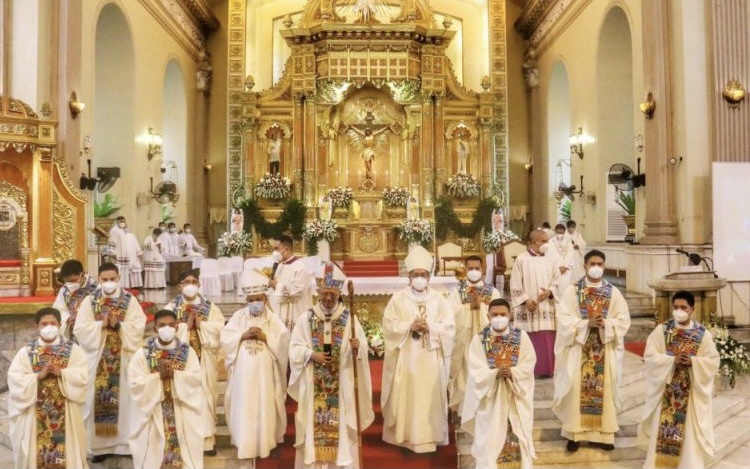
The Cebu Metropolitan Cathedral, officially known as the Metropolitan Cathedral and Parish of Saint Vitalis and of the Immaculate Conception (dedicated to Mary, under her title, Our Lady of the Immaculate Conception and to Saint Vitalis of Milan), is the ecclesiastical seat of the Metropolitan Archdiocese of Cebu in Cebu, Philippines. It was elevated as a metropolitan archdiocese on April 28, 1934, with the dioceses of Dumaguete, Maasin, Tagbilaran, and Talibon as suffragans. Before being raised as a primatial church in Cebu, the church was one of the first churches in the Philippines (besides the Basilica del Santo Niño) dedicated to St. Vitalis and built near the fort in April 1565 by Miguel Lopez de Legazpi, Fray Andrés de Urdaneta and Fray Diego de Herrera.
Construction of the cathedral took many years due to frequent interruptions, brought about by lack of funds and other unexpected events] At one time, funds meant for the building of the cathedral were diverted to the Moro wars. The death of an incumbent bishop who spearheaded the construction/reconstruction and vacancies in the office were also factors. The architecture of the church is typical of Spanish colonial churches in the country, namely, squat and with thick walls to withstand typhoons and other natural calamities. The facade features a trefoil-shaped pediment, which is decorated with carved relieves of floral motifs, an IHS inscription and a pair of griffins. The Spanish Royal Coat of Arms is emblazoned in low relief above the main entrance, reflecting perhaps the contribution of the Spanish monarch to its construction.
The Cathedral Museum of Cebu is situated next to the Cebu Metropolitan Cathedral, and not far from the Basilica Minore del Santo Niño. It is the ecclesiastical museum of the Roman Catholic Archdiocese of Cebu.
The focus of the museum is regional Church architecture and artifacts. Many of the items on display are from the Spanish colonial times.
Basilica Minore Del Santo Nino and Museum
Oldest Church
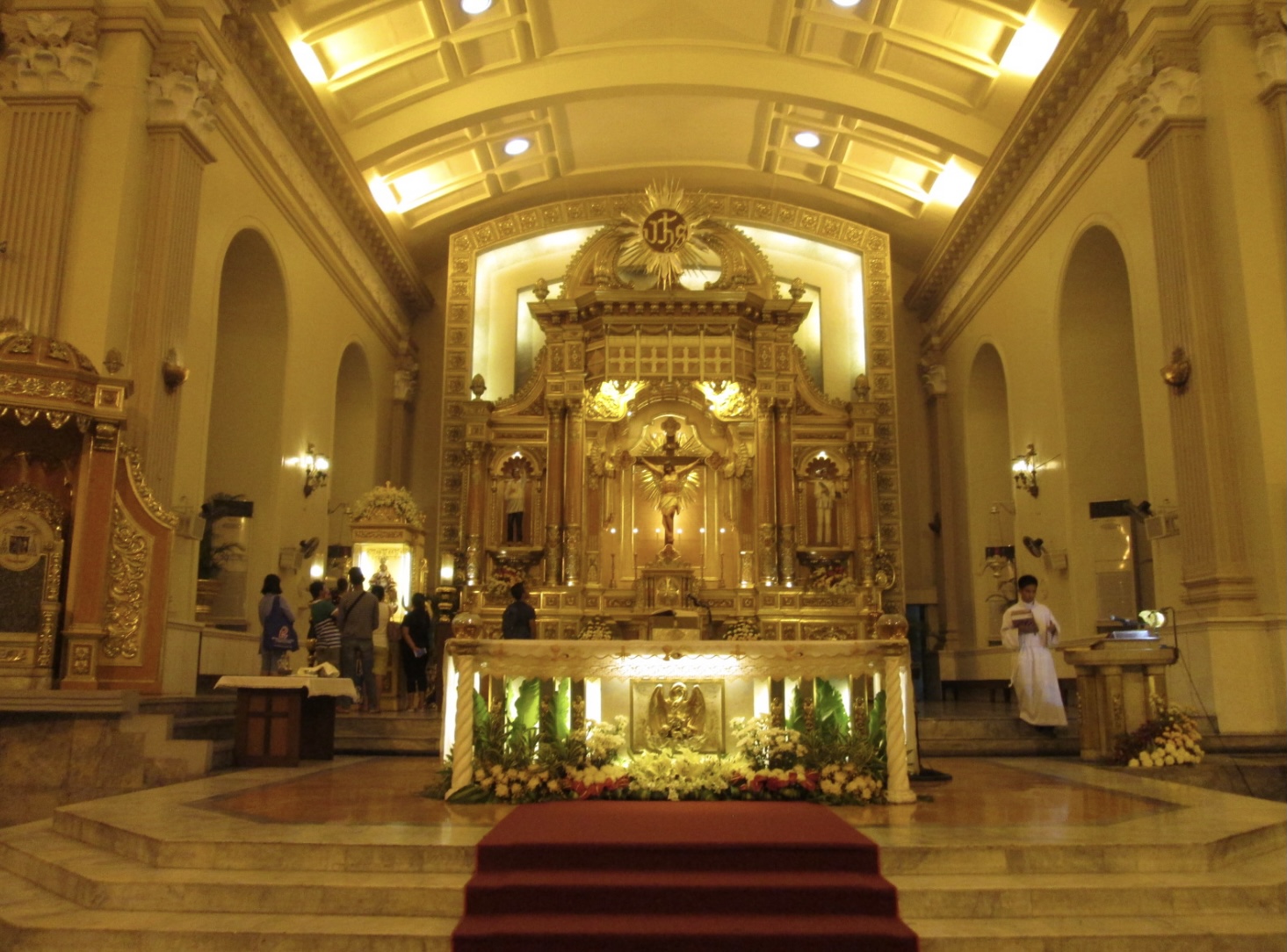
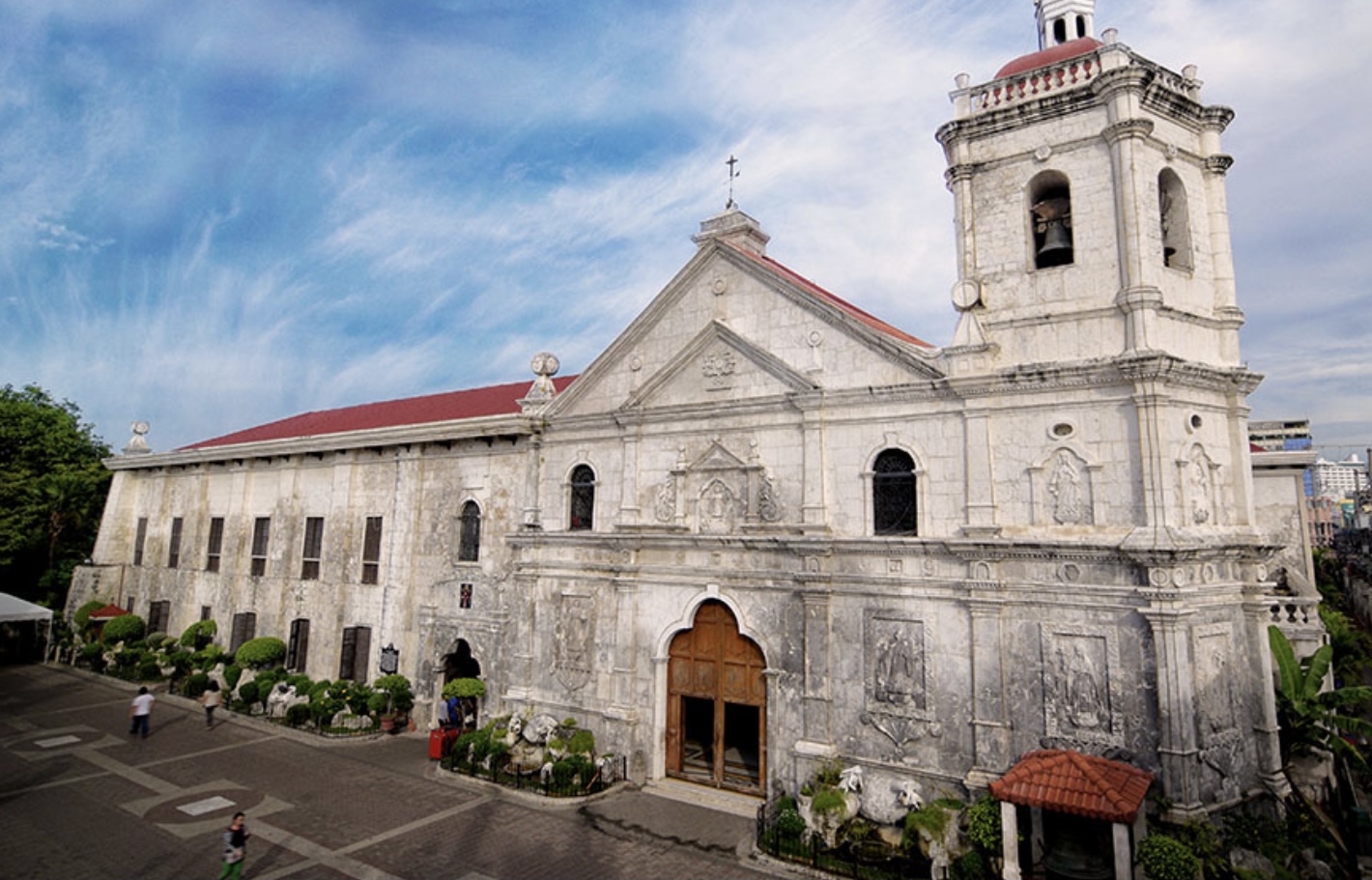
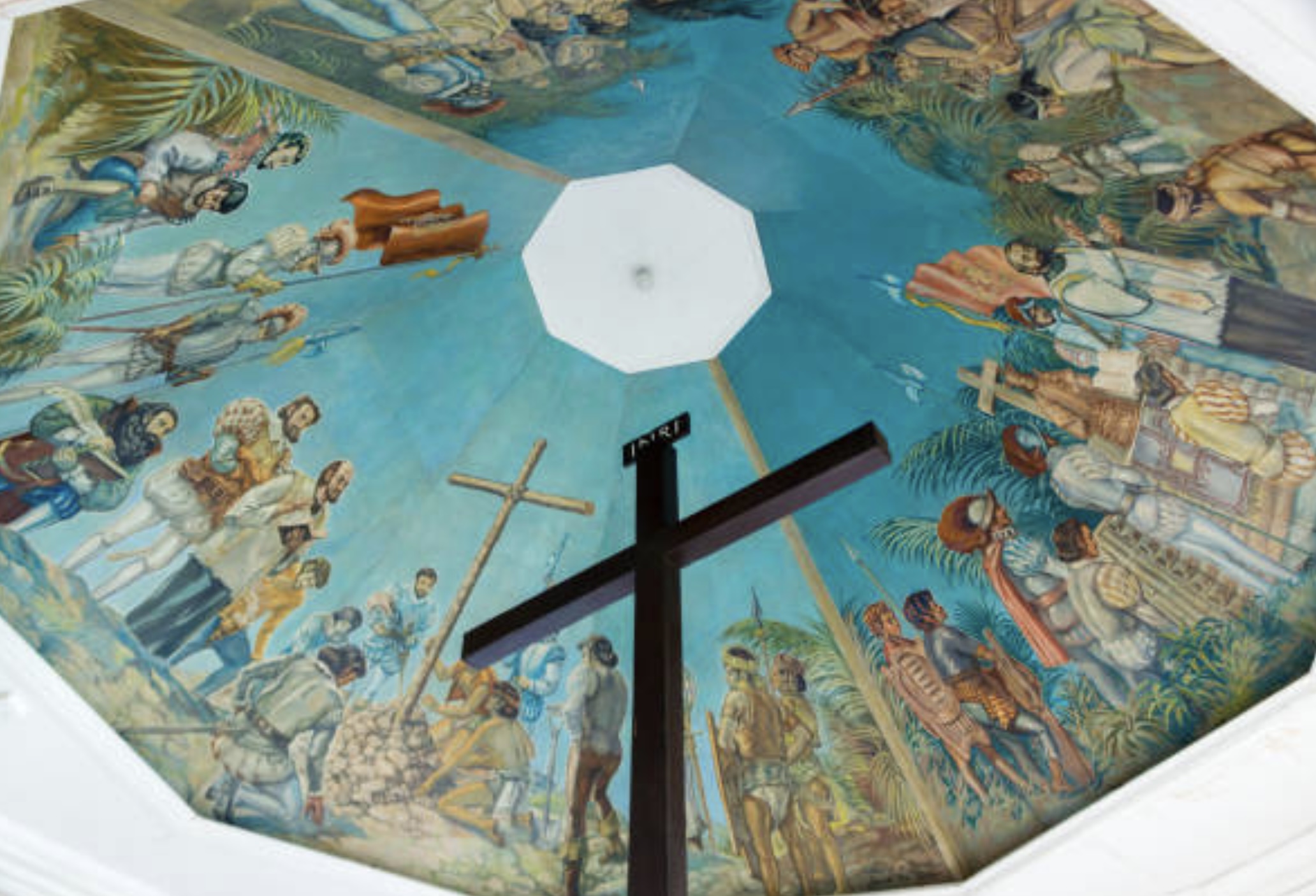
The Convent and Church of the Sto. Niño de Cebu have a deeply rooted history dating back to April 28, 1565, when it was founded by Fr. Andres de Urdaneta on the day the Legazpi-Urdaneta expedition arrived on the island. The urbanization plan of the city, which took place on May 8 of the same year, included a designated place for the church and the convent of San Agustin, where the image of Santo Niño had been found. Since then, the church has served as the Sanctuary of the Sto. Niño under the care of the Augustinians.
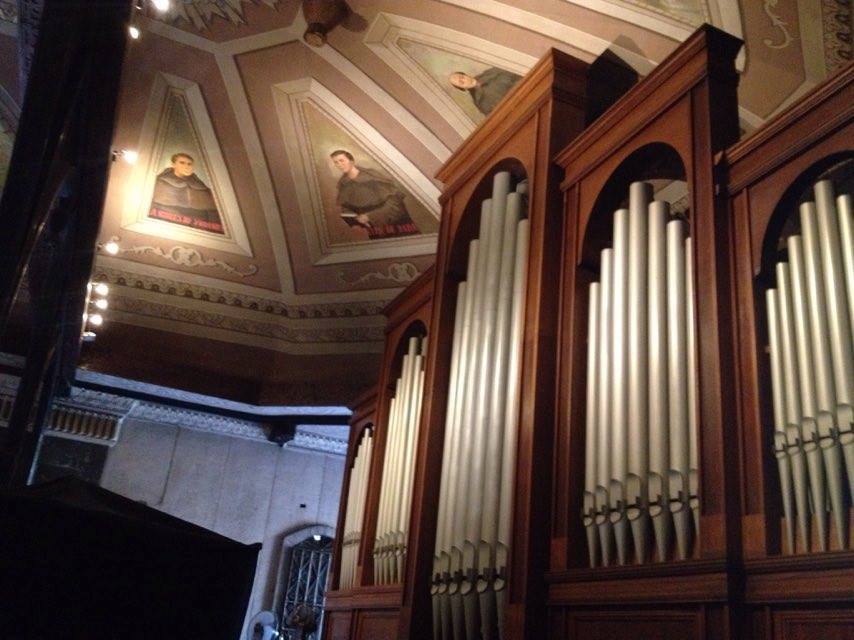
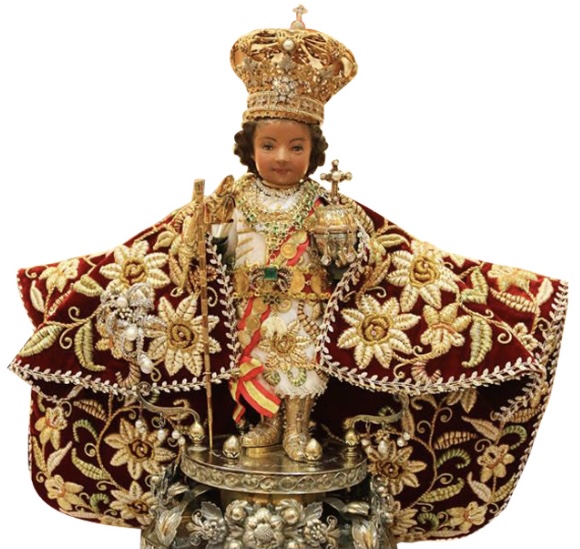
Later, in 1995, the museum was relocated to the basement of the Santo Niño Pilgrim Center, which provided a more spacious area to accommodate the increasing number of visitors and devotees, as well as the growing collections. The main objective of the museum is to raise awareness about the origin, circumstances, and events related to the formal Christianization of the Philippines through the veneration of the image of Señor Santo Niño de Cebu.
The museum showcases historical artifacts, religious items, and displays that narrate the story of Santo Niño’s significance in the Philippines’ Christian history. It serves as a place of learning and reflection, inviting visitors to understand and appreciate the deep-rooted religious traditions surrounding Santo Niño and the important role it played in the country’s Christian heritage.
As a place of reverence and cultural significance, the Convent and Church of the Sto. Niño de Cebu, along with its museum, continue to attract pilgrims, tourists, and devotees from all over, fostering a sense of spirituality and appreciation for the rich religious heritage of Cebu and the Philippines as a whole.
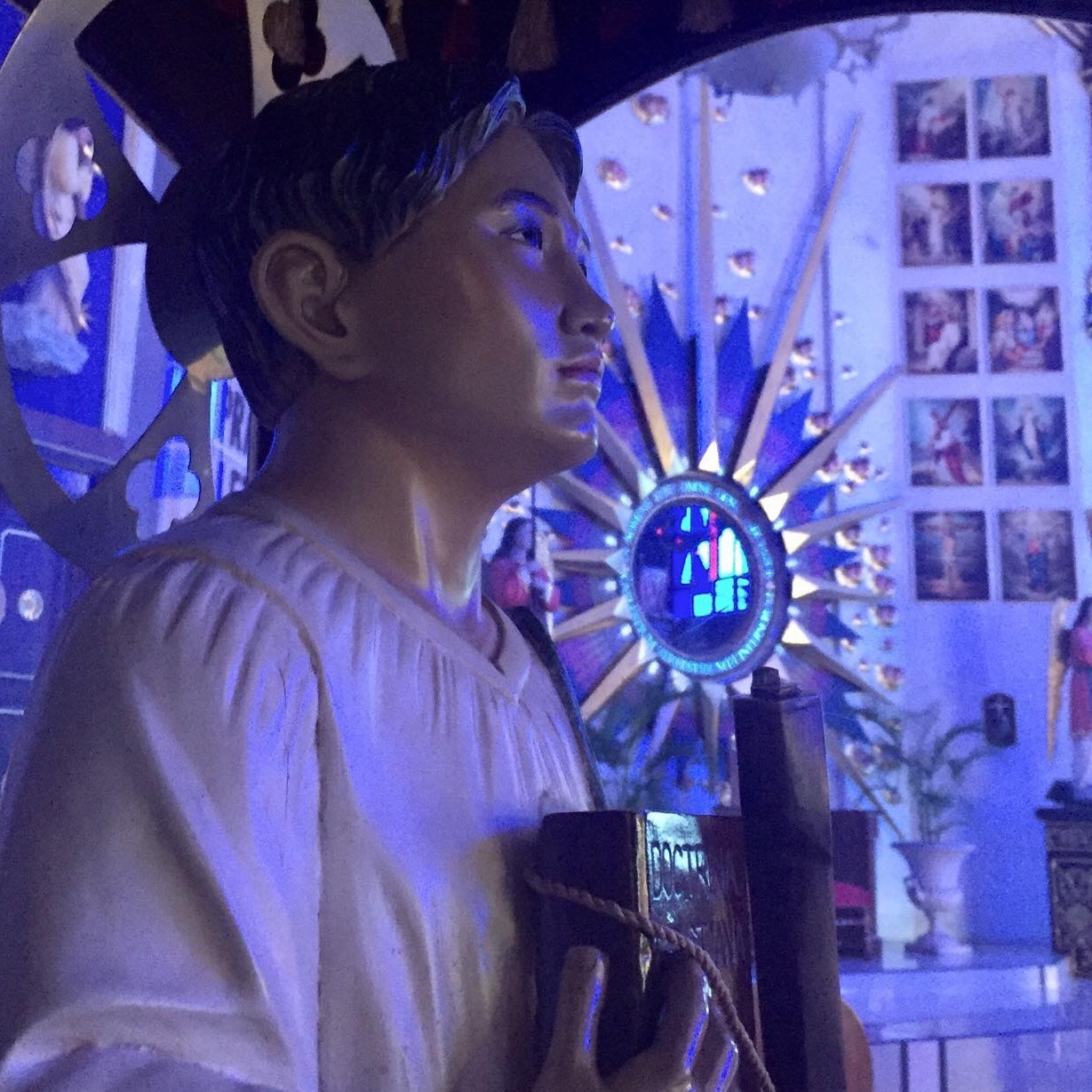
Pedro Calungsod Shrine
Second Saint
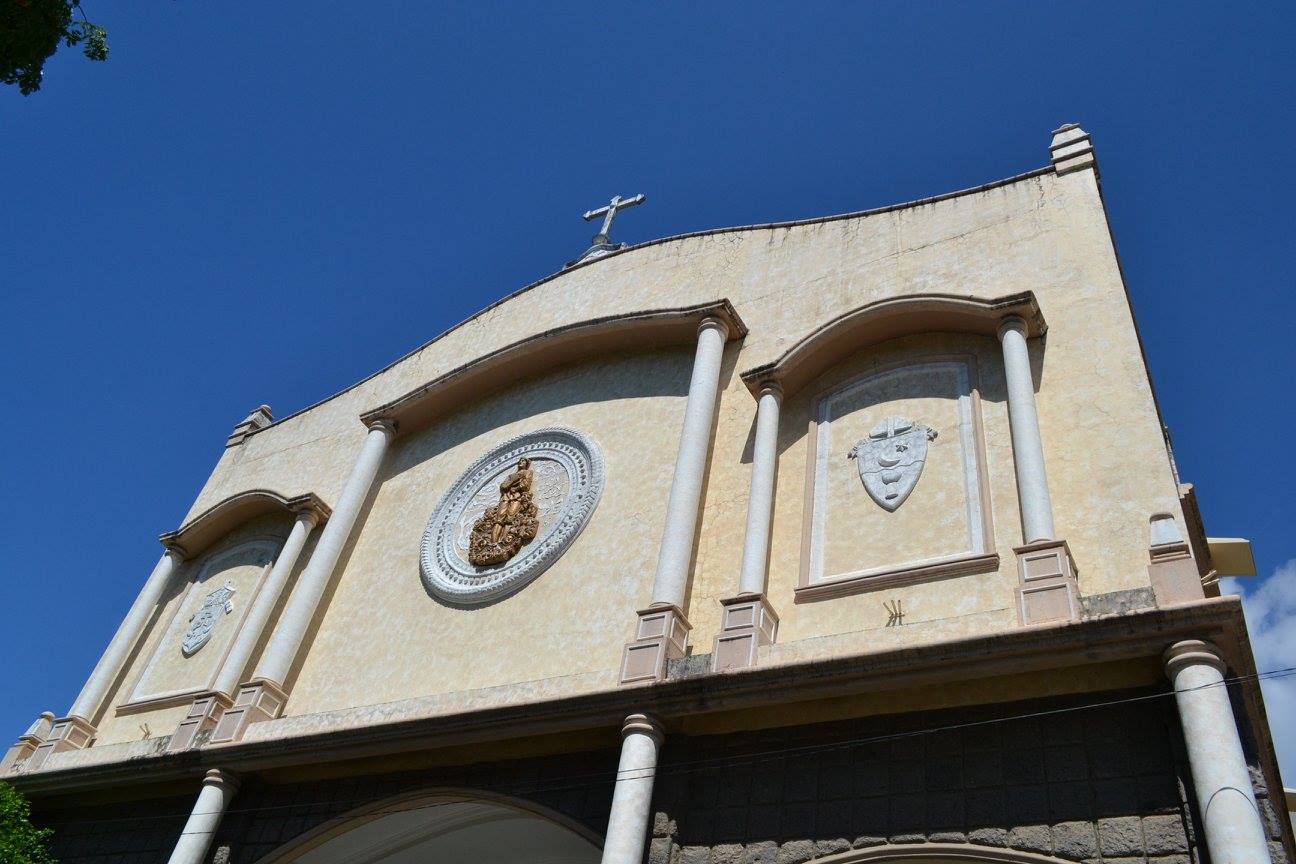
Pedro Calungsod’s life story is a testament to his dedication and bravery in spreading Christianity to the Chamorro people in Guam. He was a Filipino Catholic migrant who served as a sacristan and missionary catechist alongside the Spanish Jesuit missionary Diego Luis de San Vitores.
During their missionary work in Guam in 1672, Calungsod and San Vitores faced religious persecution for their efforts to preach Christianity and baptize the native Chamorro people. Despite the risks and the threat of persecution, they continued their mission, and through their dedication, many Chamorros embraced Roman Catholicism.
Tragically, Pedro Calungsod and Diego Luis de San Vitores were eventually martyred for their faith and missionary work. Calungsod, along with San Vitores, endured persecution and was eventually murdered while carrying out their duties as missionaries.
In recognition of his unwavering commitment to the Christian faith and his sacrifice for the spread of Catholicism, Pedro Calungsod was beatified on March 5, 2000, by Pope John Paul II. Later, on October 21, 2012, Pope Benedict XVI canonized him at Saint Peter’s Basilica in Vatican City, officially recognizing him as a saint in the Catholic Church.
Pedro Calungsod’s canonization is significant for the Philippines and the entire Catholic community, as he is now venerated as a saint and a martyr, an inspiration for those who seek to follow in his footsteps of faith and missionary zeal. His memory continues to be honored, and his life serves as an example of selfless dedication and courage in spreading the message of Christianity.
End of services
Private Day Tour
Exclusions
- Other personal expenses
- Other activities
- Tips, and all services not clearly mentioned
Key Information Remarks
- Prices are net per person in United States Dollars (USD) and are subject to change without prior notice
- No refund for any un-utilized Tour or Activity
Guide surcharge:
| Guide Type | Individual | Group |
| Mandarin speaking guide | $50 per day | $70 per day |
| Spanish speaking guide | $45 per day | $65 per day |
| Other language(by request) | $60 per day | $80 per day |
Child policy
- Child under 2: Free of charge
- Child over 2 and above: 50% of adult cost
CANCELLATION:
- Period before arrival Amount of Cancellation of the Tour or Activity Price
- More than 60 days before arrival- Free Of Charge (FOC)
- More than 45 days before arrival– 30%
- Less than 21 days before arrival – 50%
- Less than 14 days before arrival – 80%
- Failure on traveling date at point of arrival 100%
Travel Rules and Policy
Citizens entering the Philippines must meet the following conditions or risk being refused immigration clearance and may be deported:
- Citizens traveling to the Philippines are urged to https://etravel.gov.ph/ with Philippine authorities for an eArrival Card within 72 hours prior to departure.
- Passengers who are fully vaccinated must possess a recognised proof of vaccination. Travellers aged 15 and above who are not fully vaccinated are required to present a negative laboratory-based Rapid Antigen Test taken 24 hours before departure from country of origin.
- Unvaccinated traveller aged 15 and above who are unable to present a negative pre-departure laboratory-based Rapid Antigen Test will be required to undergo testing in the upon arrival in the airport. Those who test positive for COVID-19 will be required to complete a facility-based quarantine in the Philippines.
- Accompanied, unvaccinated children aged 14 and below shall follow the quarantine procedures of their parents and guardians.
- Unaccompanied unvaccinated children aged 14 and below must go through the same procedure as traveller aged 15 and above.
Local Culture
Filipinos are well known for being hospitality. Many of them go the extra mile in making visitors feel almost like VIP’s. So when you find yourself in a Filipino home, don’t be surprised if you’re forbidden to help out with anything — guests are usually not made to lift a finger.
Arrival Complications
We don’t expect any problems, and nor should you. However, if you are unable to commence your Tour as scheduled for any reason, please contact us immediately. Please refer to our emergency contact details.
Emergency Contact
If you need to contact us in an emergency, it is best to call the Green Cultural Travel Local Expert Partner. If you don’t receive an immediate answer, please leave a detailed message with your contact information so they can return your call as soon as possible.
Emergency Contact Numbers
Philippine Cultural Travel
Contact Number: +639164218900
Tipping
Depending on the service, it is discretionary in the Philippines to tip service providers, such as waiters. Though not compulsory, tipping shows an expression of satisfaction with the people who have assisted you on your holiday. Although it may not be customary to you, it is of considerable significance to the people who will take care of you during your travels.
When selecting your tour or activity please read the brochure and itinerary carefully to assess your ability to cope with the requirements of your selected product.
Safety and Security
We strongly recommend the use of a neck wallet or money belt for keeping your valuables safe. Leave your expensive jewellery at home. You won’t need it while travelling. Many of the hotels you stay at have safety deposit boxes, which is the most secure way of storing your valuables while on tour.
Green Cultural Travel – Community Programs
As we are owned by Green Cultural Travel Hub Limited UEN 201705140R a Singapore registered “Not for Profit” company our profits allow us to continue our support of community projects in the destinations our guests visit.
Purchasers of our Packages will automatically become members of our Green Cultural Travel Hub a place of connection for like minded travellers wanting to make a difference. Members of our Hub receive a monthly magazine and access to some great travel specials and follow the progress of the community programs we support. Guests can also take the opportunity when booking a Package to make their own donation to Green Cultural Travel Hub Limited.
Local Dress
Philippines is generally warm, so wear natural, lightweight and tropical clothing all throughout the year. This is as basic as it gets.
Green Cultural Travel Hub
When you purchase a Green Cultural Travel package you automatically become a member of the Green Cultural Travel Hub. This connects you to us and like-minded traveller. Our bi-monthly magazine is full of travel news, trip information, interesting stories, special offers and contests. We also include more information on how you can give back, and support, the people and places we love to visit through our local Community Programmes.
More Great Packages
Cabiokid Foundation Permaculture Farm
Philippines Cebu City Guided Full Day Tour